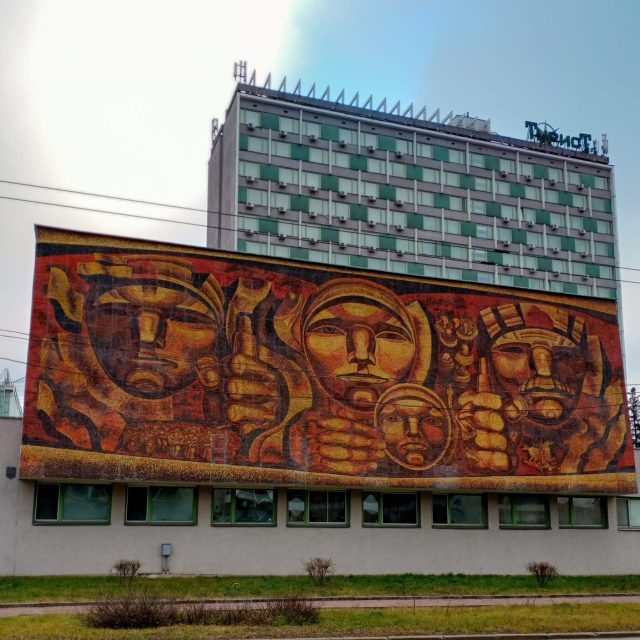
The Tourist Hotel was to become an important tourist point of the city, despite its relatively distant location. A whole team of artists Alexander Kishchenko Jr, Sergey Larchenko, Sergey Sokolov, Grigory Gorkunov, and Galina Biltiukova worked on the decoration of the interior and exterior of the building under the direction of Alexander Kishchenko. The artist Alexander Deineko came to the opening of the mosaic. Deineko liked the work. To quite reasonable accusations of Kishchenko in imitation of Mexican artists and plagiarism Deineko answered: ‘when I was accused of plagiarising the works of Ferdinand Hodler, it was this period that was the most productive in creativity’. While working on the panel, Kishchenko consulted with architect Lev Pogorelov. The rounded images on the mosaic contrast with the rectangular block of the building. The circle signifies unity. The artist’s work can be broken down into several components: theme, geometry and colour. The theme of the mosaic is partisans and partisan history. The first plan is people’s faces and hands of almost the same size: men clutching rifle bayonets, a woman holding a child. The second plan is plot inserts: women going into the forest, a child stopped as if for a second, a […]
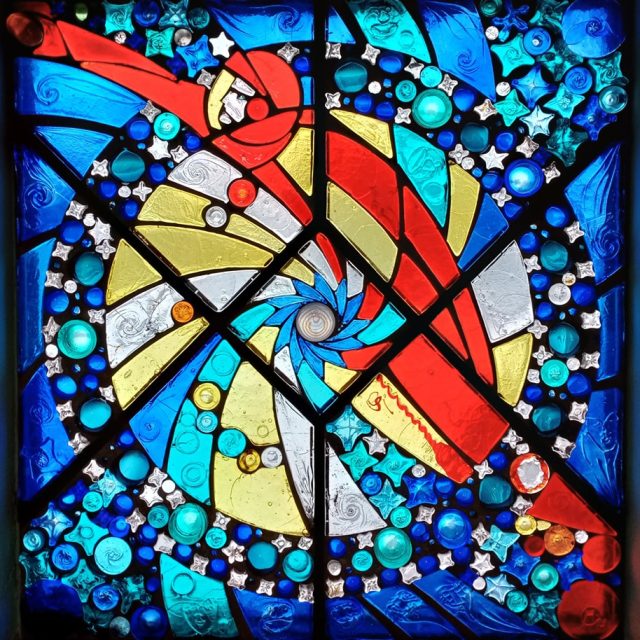
Stained glass windows by Nelya Schastnaya are one of the most favourite works in Minsk. And one of the first works of the artist in the technique of cast stained glass. The stained glass windows are lucky, together with Kishchenko’s mosaic they are included in the register of historical and artistic heritage. The whole labour-intensive process, including glass casting at the Neman glassworks and subsequent installation at the site, was done by the artist herself. Space, fern flower, seasons are the themes of the drawings. The artist worked on each figurative block, drawing the veins of leaves and the structure of snowflakes. The circular composition of the stained glass windows visually enlarges the dark interior of the Research Institute. Stained glass compositions “Autumn”, “Spring”, “Fern Flower”, “Summer”, “Winter”, “Our Galaxy” fill the window openings in the corridors of the administrative building from the second to the seventh floors, next to the elevators.
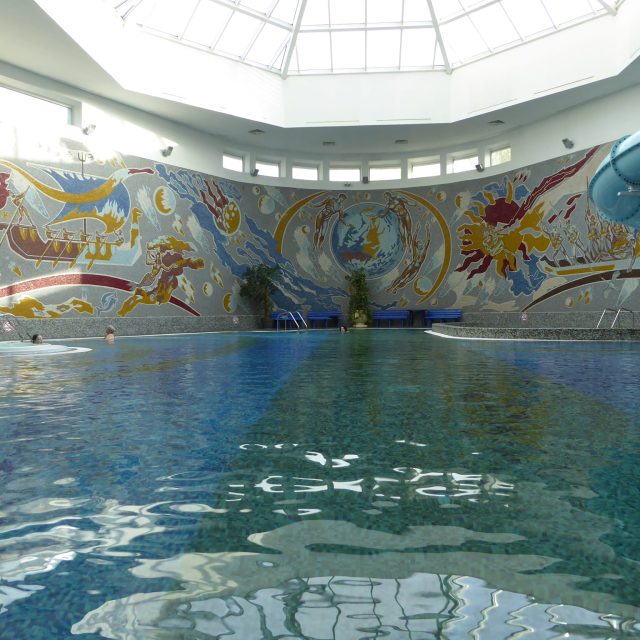
Hotel Planet, was built for the opening of the Olympic Games, but everything was delayed and the hotel was opened only in 1987. Alexander Kishchenko, Nina Kukharenko, Tamara Kirshchina and Alexander Kishchenko Jr. worked on the decoration (1985-1987). Initially, the ‘Fatherland’ mosaic was to enclose the territory of the inner courtyard, where it was planned to make a fountain and put benches. In the late 1990s, the courtyard was adapted for a swimming pool. Strange as it may seem, the mosaic organically blended into the space of the pool. The theme of water unites all parts of the composition: the left part – ‘Belarus of the Middle Ages’, the central space part – ‘Planet Earth’ and the right part – ‘Belarus of Partisans’. A ceramic panel ‘Svyata Belarusi’ by Tamara Kirshchyna was preserved in the foyer. During the reconstruction of the hotel it was possible to preserve the panel by artist Nina Kukharenka ‘Spill and blossoming’, dedicated to the spring in Polesie. Now the panel is located in the dining room. A large tapestry can also be seen here.
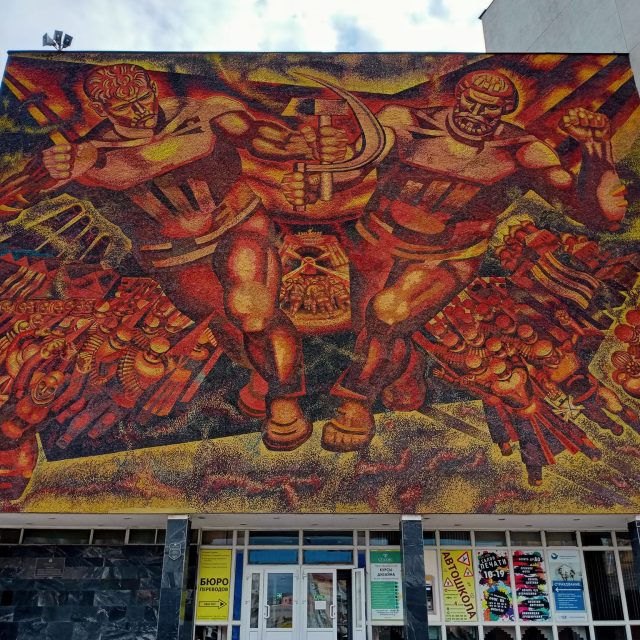
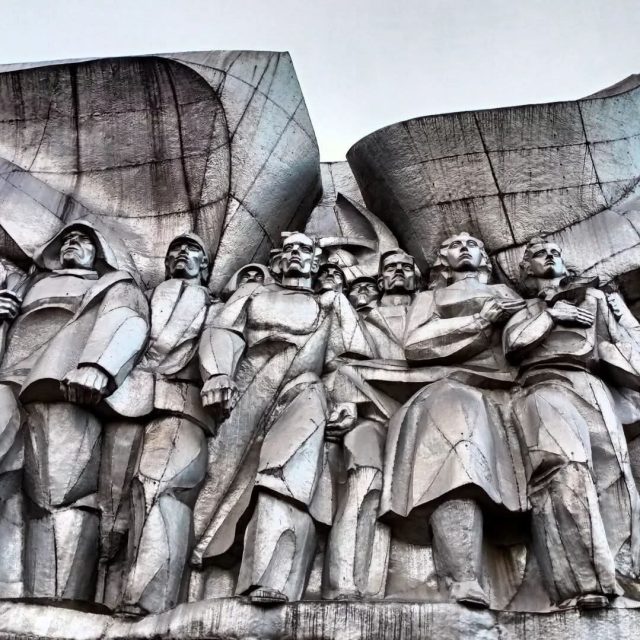
Before the 1980 Olympics, the city authorities decided that something more significant was needed for the second main street of the city. So instead of a modest geometric relief by Gavriila Vashchenko, artists Yaskin and Artimovich created a three-dimensional high relief dedicated to workers and revolutionaries from different countries, such as Chile and Arab countries.
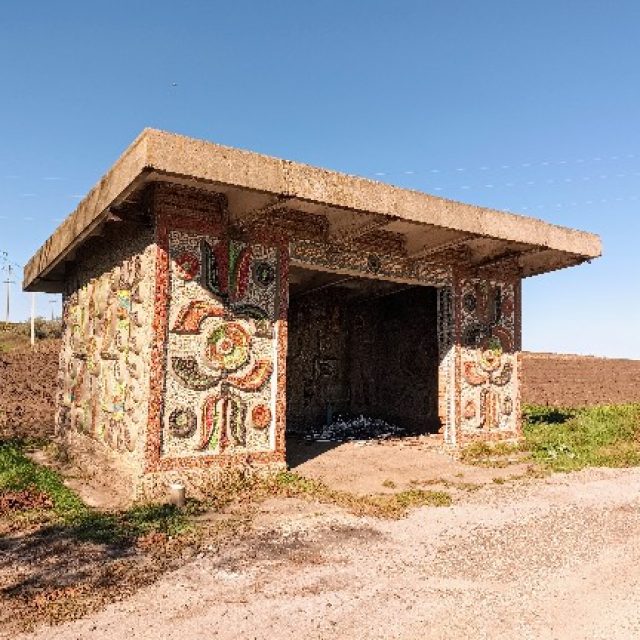
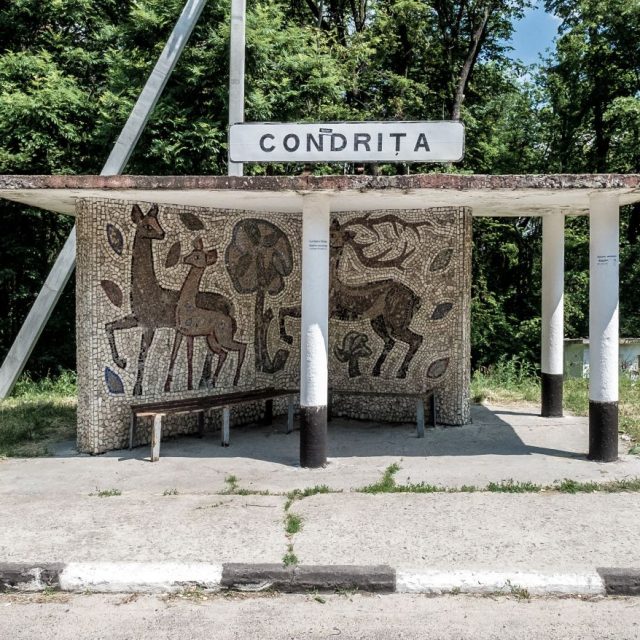
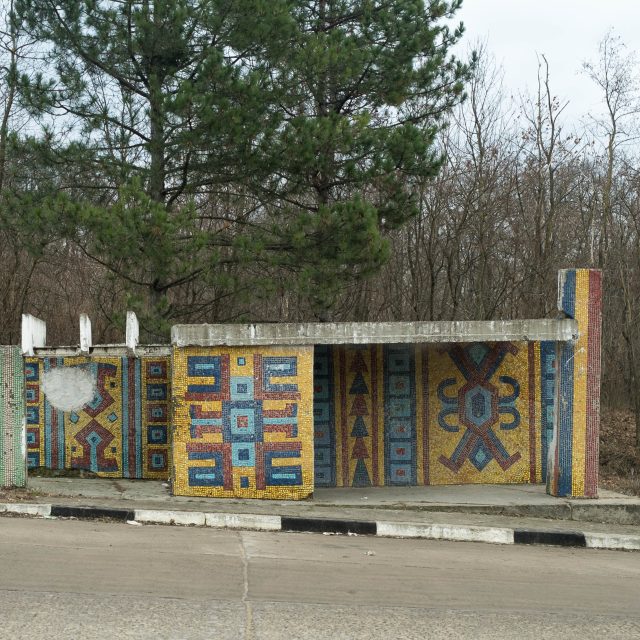
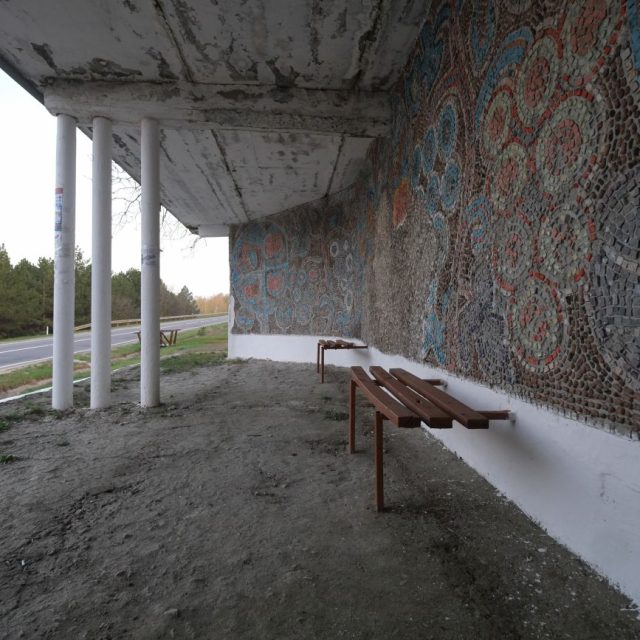
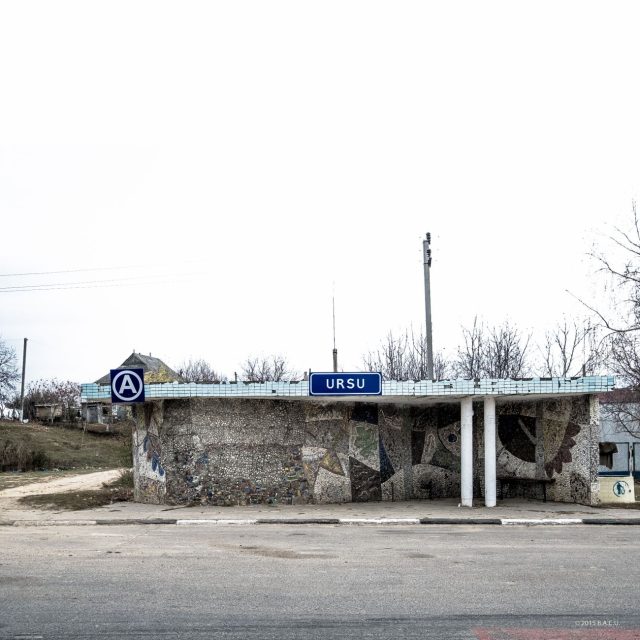
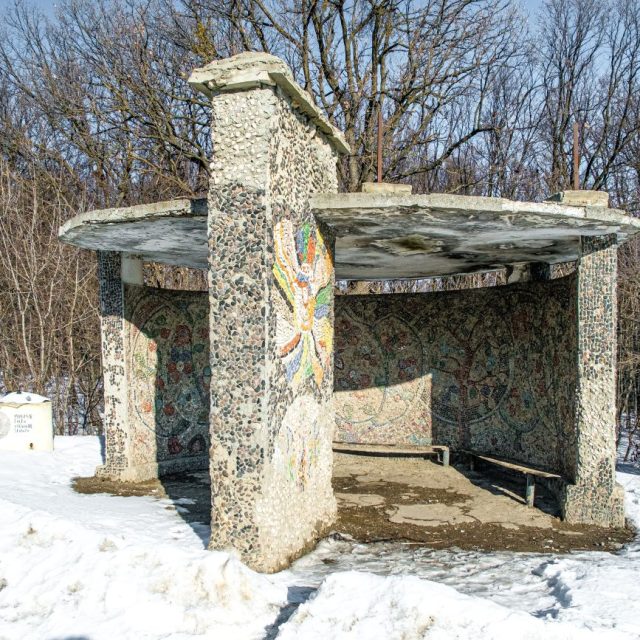
Stație de autobuz 1978-1980. Condrița, drumul M1 Chișinău – Leușeni, Republica Moldova Bus Station 1978-1980. Condrita, Road M1 Chisinau – Leuseni, Republic of Moldova Architect: I. Nakonechny Artist: unknown
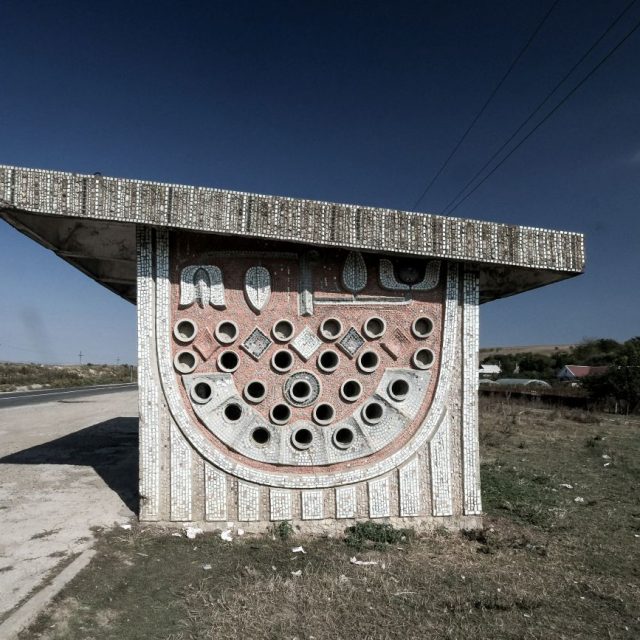
Stație de autobuz 1978-1980. Ghioltosu, drumul M3 Chișinău – Giurgiuleşti, Republica Moldova Bus Station 1978-1980. Ghioltosu, Road M3 Chisinau – Giurgiulesti, Republic of Moldova Architect: I. Nakonechny Artist: unknown
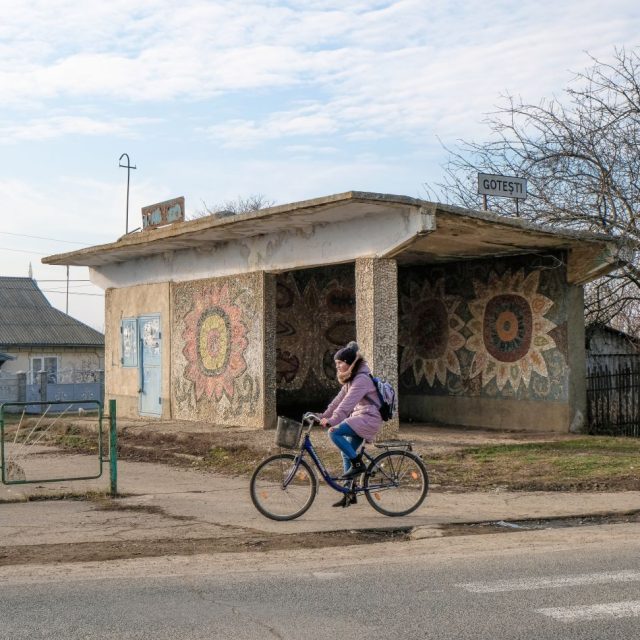
Stație de autobuz 1978-1980. Goteşti, drumul M3 Chișinău – Giurgiuleşti, Republica Moldova Bus Station 1978-1980. Gotesti, Road M3 Chisinau – Giurgiulesti, Republic of Moldova Architect: I. Nakonechny Artist: unknown
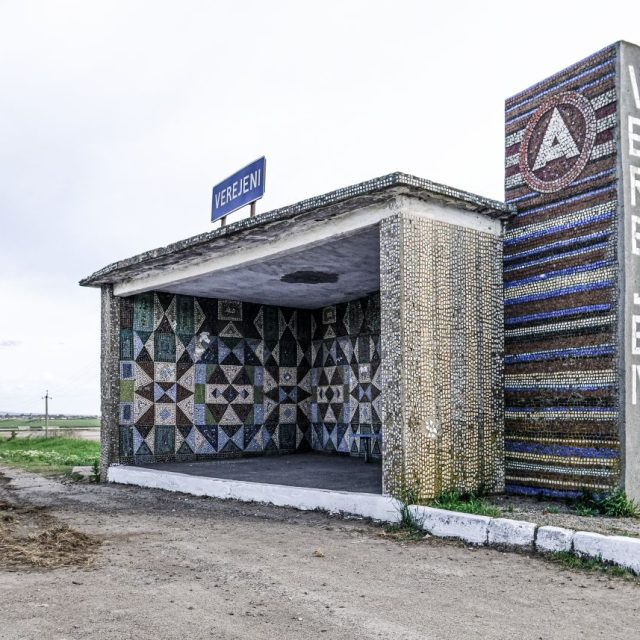
Stație de autobuz 1978-1980. Verejeni, Republica Moldova Bus Station 1978-1980. Verejeni, Republic of Moldova Architect: I. Nakonechny Artist: unknown
Stație de autobuz 1978-1980. Fundul Galbenei, drumul R3 Chişinău – Hînceşti – Cimişlia – Basarabeasca – frontiera cu Ucraina, Republica Moldova Bus Station 1978-1980. Fundul Galbenei, Road R3 Chisinău – Hincesti – Cimislia – Basarabeasca – Ukraine border, Republic of Moldova Architect: I. Nakonechny Artist: unknown
Stație de autobuz 1978-1980. Prodănești, drumul M2 Chișinău – Soroca, Republica Moldova Bus Station 1978-1980. Saliste, Road Bucovat – Nisporeni – Barboieni, Republic of Moldova Architect: I. Nakonechny Artist: unknown
Stație de autobuz 1978-1980. Săliște, drumul Bucovăţ – Nisporeni – Bărboieni, Republica Moldova Bus Station 1978-1980. Saliste, Road Bucovat – Nisporeni – Barboieni, Republic of Moldova Architect: I. Nakonechny Artist: unknown
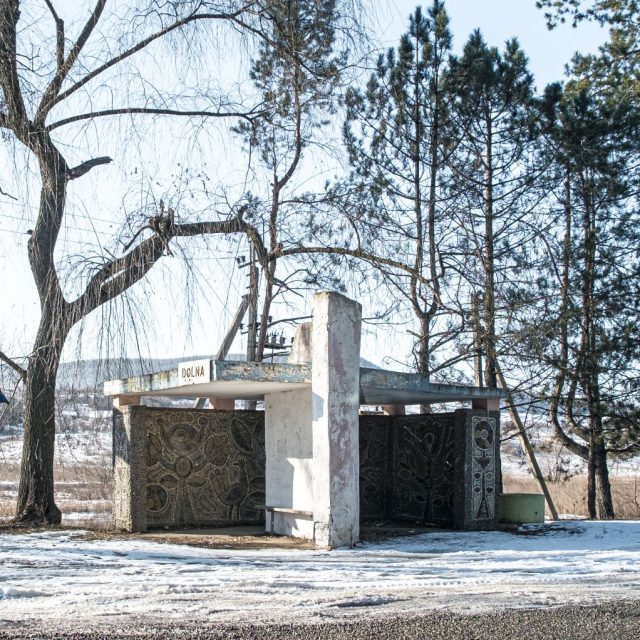
Stație de autobuz 1978-1980. Dolna, drumul Bucovăţ – Nisporeni – Bărboieni, Republica Moldova Bus Station 1978-1980. Dolna, Road Bucovat – Nisporeni – Barboieni, Republic of Moldova Architect: I. Nakonechny Artist: unknown
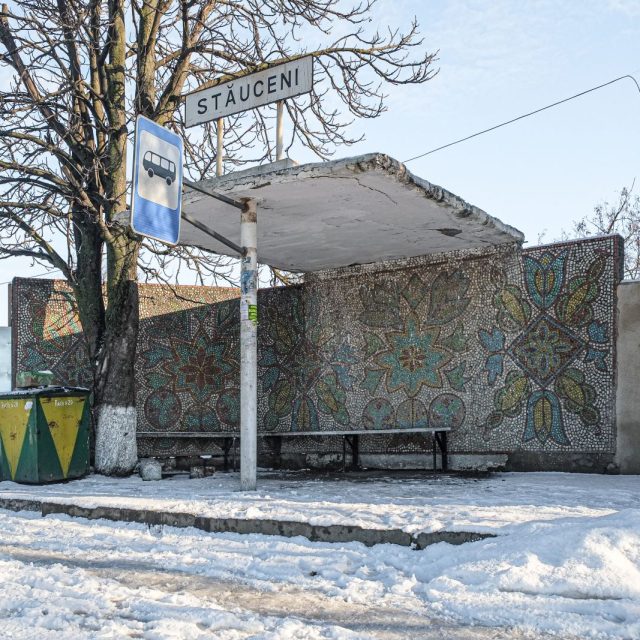
Stație de autobuz 1978-1980. Stăuceni, drumul R6 Chișinău – Orhei – Bălți, Republica Moldova Bus Station 1978-1980. Zagarancea, Road M3 Chisinau – Giurgiulesti, Republic of Moldova Architect: I. Nakonechny Artist: unknown
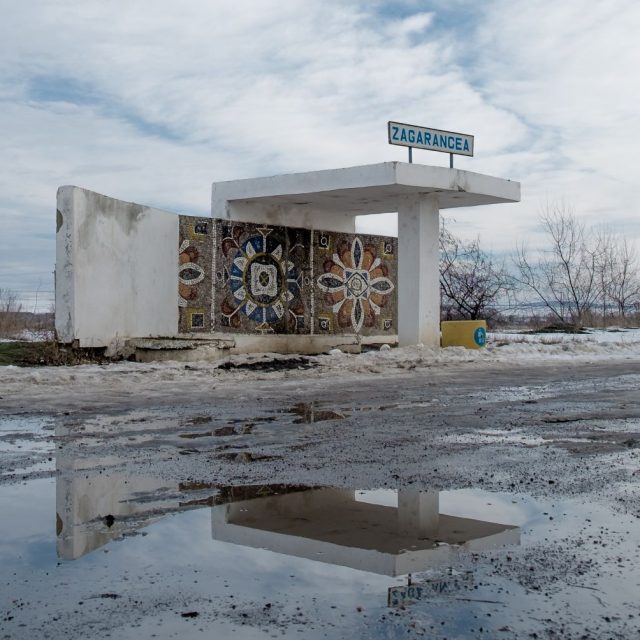
Stație de autobuz 1978-1980. Zagarancea, drumul M3 Chișinău – Giurgiuleşti, Republica Moldova Bus Station 1978-1980. Zagarancea, Road M3 Chisinau – Giurgiulesti, Republic of Moldova Architect: I. Nakonechny Artist: unknown
Stație de autobuz 1978-1980. Iurceni, drumul M3 Chișinău – Giurgiuleşti, Republica Moldova Bus Station 1978-1980. Iurceni, Road M3 Chisinau – Giurgiulesti, Republic of Moldova Architect: I. Nakonechny Artist: unknown
Stație de autobuz 1978-1980. Bursuc, drumul M3 Chișinău – Giurgiuleşti, Republica Moldova Bus Station 1978-1980. Bursuc, Road M3 Chisinau – Giurgiulesti, Republic of Moldova Architect: I. Nakonechny Artist: unknown
Stație de autobuz 1978-1980. Vulcăneşti, drumul Bucovăţ – Nisporeni – Bărboieni, Republica Moldova Bus Station 1978-1980. Vulcanesti, Road Bucovat – Nisporeni – Barboieni, Republic of Moldova Architect: I. Nakonechny Artist: unknown
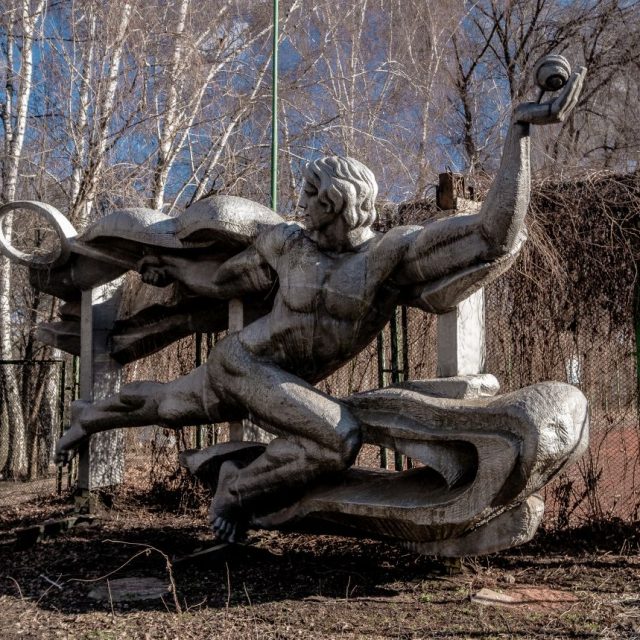
Sculptură în curtea Palatului Tenisului 1975. Strada Eugen Coca 59, Chișinău, Republica Moldova The sculpture in the courtyard of the Tennis Palace 1975. 59 Eugen Coca Street, Chisinau, Republic of Moldova
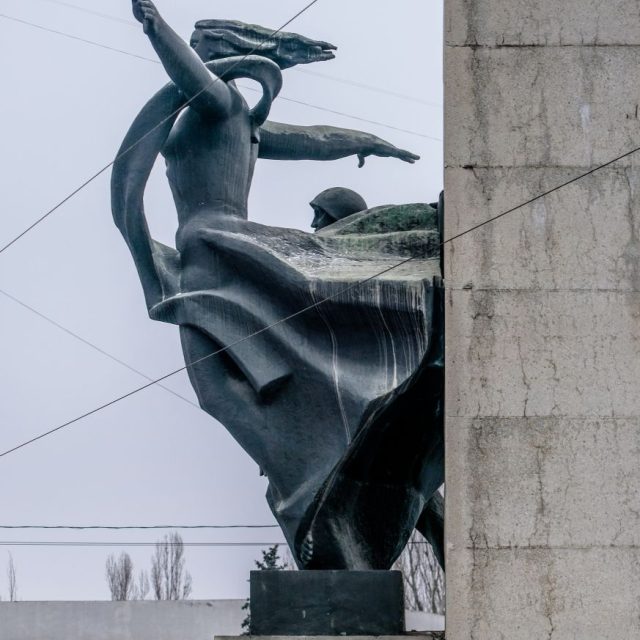
Monument of Liberation, Former Liberation Square, now: United Nations Square, (Chisinau) Republic of Moldova Erected in 1969, Sculptors L.Dubinovsky, N.Epelbaum Architects I.Gritsenko, A.Kolotovkin, A.Minaev, F. Naumov Monumentul Eliberării, Fosta Piață a Eliberării, acum: Piața Națiunilor Unite, (Chișinău) Republica Moldova Ridicată în 1969, Sculptorii L.Dubinovsky, N.Epelbaum Arhitecți I.Gritsenko, A.Kolotovkin, A.Minaev, F. Naumov
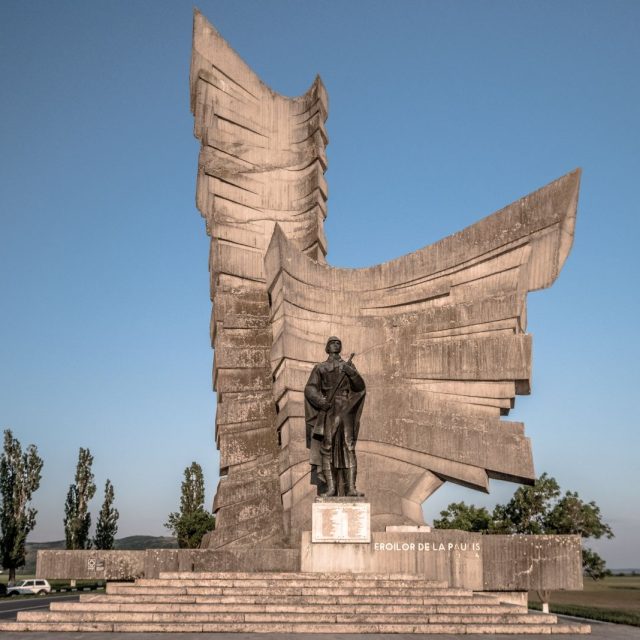
The Monument of the Heroes from Păuliș Built in 1974 Paulis, Romania architect Milos Cristea sculptors Emil Vitroel and Ionel Muntean Monumentul Eroilor din Păuliș Construită în 1974 Paulis, România arhitect Milos Cristea sculptorii Emil Vitroel si Ionel Muntean
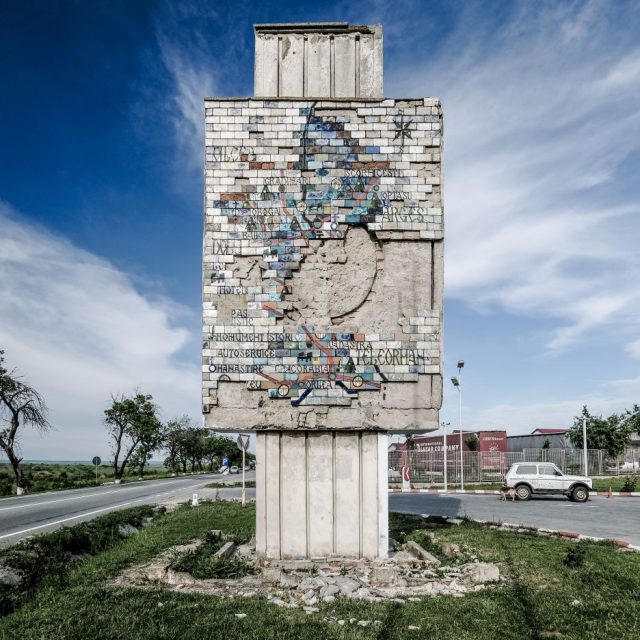
Lucrare din beton prefabricat, cu elemente de mozaic ce reprezintă harta județului Anii ’70. Județul Teleorman, România Precast concrete welcome sign with mosaic elements representing the map of the County The ’70s. Teleorman County, Romania
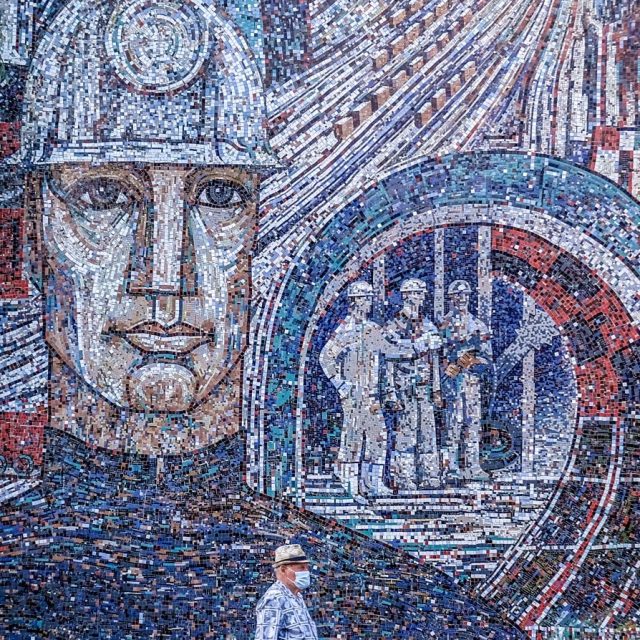
Perete mare de mozaic cu temă minieră Anii ’70. Valea Jiului, România. Artiști: Elena Bianu și Iosif Tellmann Large mosaic wall with mining theme The ’70s. Valea Jiului, Romania. Artists: Elena Bianu and Iosif Tellmann